Segura de la Sierra deserves time before driving anywhere else. The castle stands above the village and offers wide views across the valley. Its current form was largely shaped by the Order of Santiago, although earlier Muslim fortifications occupied the same strategic hill. Below it, the village keeps sections of its old walls, restored Arab baths, the Church of Nuestra Señora del Collado and the Renaissance Fountain of Charles V. The unusual square bullring, set into the hillside near the castle, is one of the oldest and most distinctive in the region.
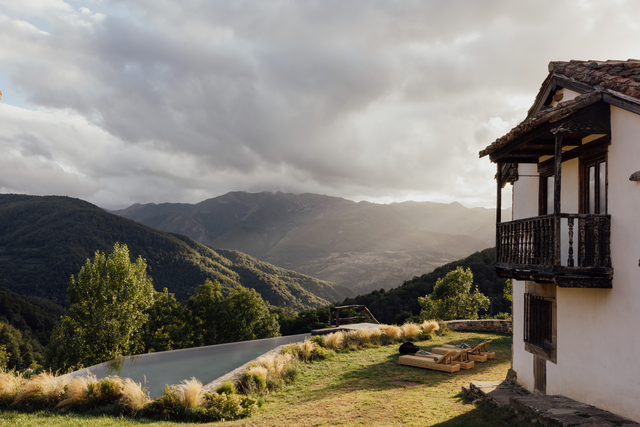
The hotel lies inside the Sierras de Cazorla, Segura y Las Villas Natural Park. At more than 200,000 hectares, it is the largest protected area in Spain and a UNESCO Biosphere Reserve. The park is enormous, and the town of Cazorla lies on the opposite side. The Sierra de Segura works best as its own destination, with forests, high plateaus, rivers, small villages and roads that see far fewer visitors.
Hornos is one of the best nearby stops, perched above the Tranco de Beas reservoir. Longer days can include the source of the River Segura, the high Campos de Hernán Perea plateau or one of the natural bathing spots scattered around the park. Wildlife includes deer, wild boar, mountain goats and birds of prey. Autumn brings the deer rut, when their calls carry through the valleys.