Big hotels impress. Boutique hotels connect. The real difference between a boutique hotel and a big hotel rarely comes down to stars. It comes down to who pours your coffee, what your room is called and whether anyone knows your name.
We have spent years finding small, family-run boutique hotels across Europe for the Bettertrip collection. Here is what we have learned, told through seven details you will notice from the first morning.
A boutique hotel is a small, independent hotel, usually with fewer than 50 rooms, shaped by its owners and its location. A big hotel offers the same standardized experience in every city. Boutique hotels trade facilities and uniformity for character, local food and personal service.
What is a boutique hotel?
A boutique hotel is a small hotel with its own identity. There is no official definition, but most share four traits: a limited number of rooms, independent ownership, a building with character, and a strong link to the place around it. No two are alike, and that is the point.
At Bettertrip, we go one step further. Every stay in our collection is independent, has no more than 15 to 20 rooms and is run by people who still care about the details, most of them families who live on site.
Boutique hotel vs big hotel at a glance
| Big hotel | Boutique hotel | |
|---|---|---|
| Size | Often 100 to 1,000+ rooms | Usually under 50 rooms, often under 20 |
| Ownership | Chain or corporate group | Independent, often family-run |
| Design | Same look in every city | Unique, shaped by the building and region |
| Service | Efficient, standardized | Personal, owners often on site |
| Breakfast | Large buffet | Homemade, local produce |
| Rooms | Numbered, identical | Named, each one different |
| Atmosphere | Busy, anonymous | Calm, intimate |
| Best for | Business trips, big events, loyalty points | Slow travel, couples, a sense of place |
The 7 differences
01
Lobbies vs living rooms
Big hotels have lobbies full of suitcases.
Boutique hotels have living rooms full of character.
In a big hotel, the lobby is a place you cross. There is a queue at reception, a row of suitcases by the lifts and music nobody chose.
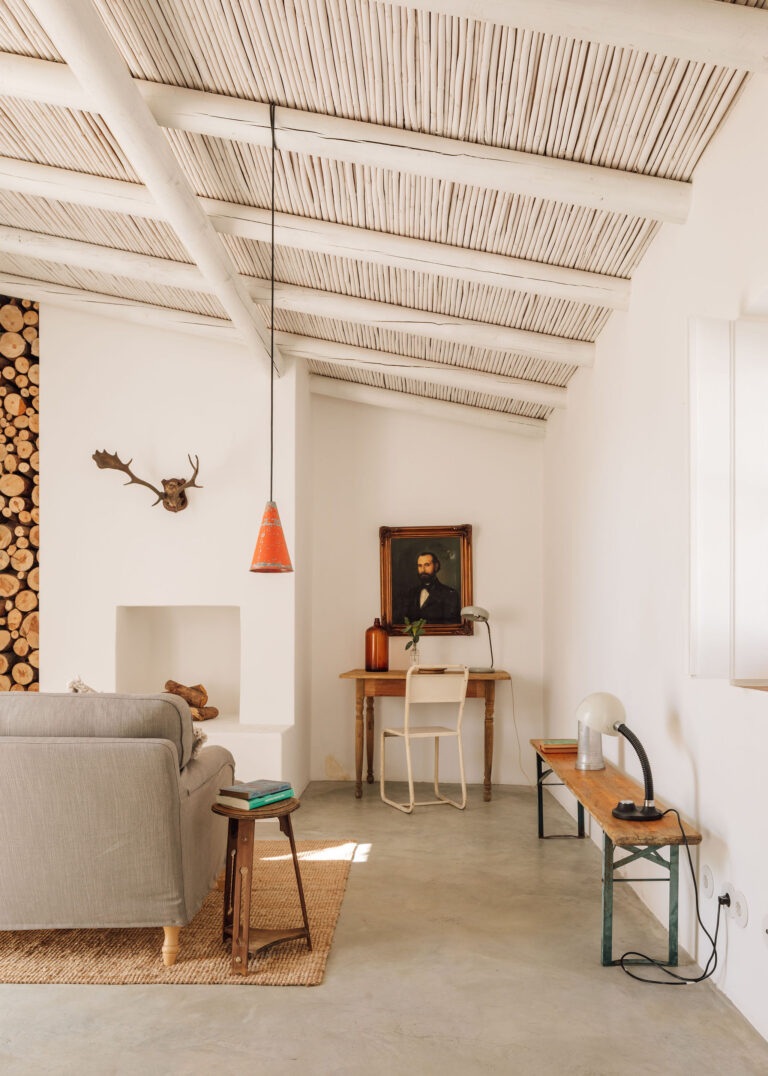
In a boutique hotel, the lobby is a living room. Armchairs you actually want to sit in, a lamp left on in the afternoon, books someone has read. It is where you end up after dinner with a glass of wine, talking to the owner or to the couple from the next room.
02
Rows of sunbeds vs a
handful of loungers
Big hotels have sunbeds you reserve at 7 a.m.
Boutique hotels have a few loungers and no rush.
We all know the scene: rows of sunbeds around a pool, towels laid down at 7 a.m. to claim a spot, a lifeguard whistle somewhere.
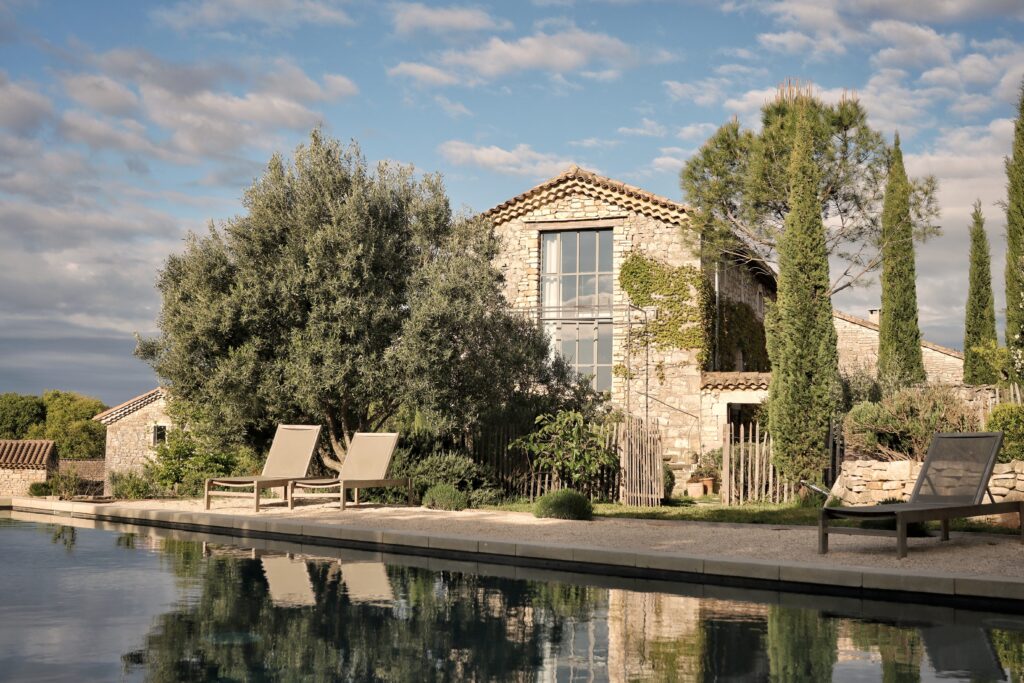
A boutique hotel pool is often small, sometimes no bigger than a garden basin, tucked between stone walls and bamboo. Four loungers, a couple of parasols, a fountain trickling into the water. Nobody reserves anything, because there is always room. You swim a few lengths, read a chapter and lose track of the time.
03
Endless buffets vs homemade breakfast
Big hotels have ten juices from concentrate.
Boutique hotels have juice squeezed this morning.
The big hotel breakfast is a numbers game: ten juices from concentrate, trays of industrial croissants, scrambled eggs kept warm for three hours.
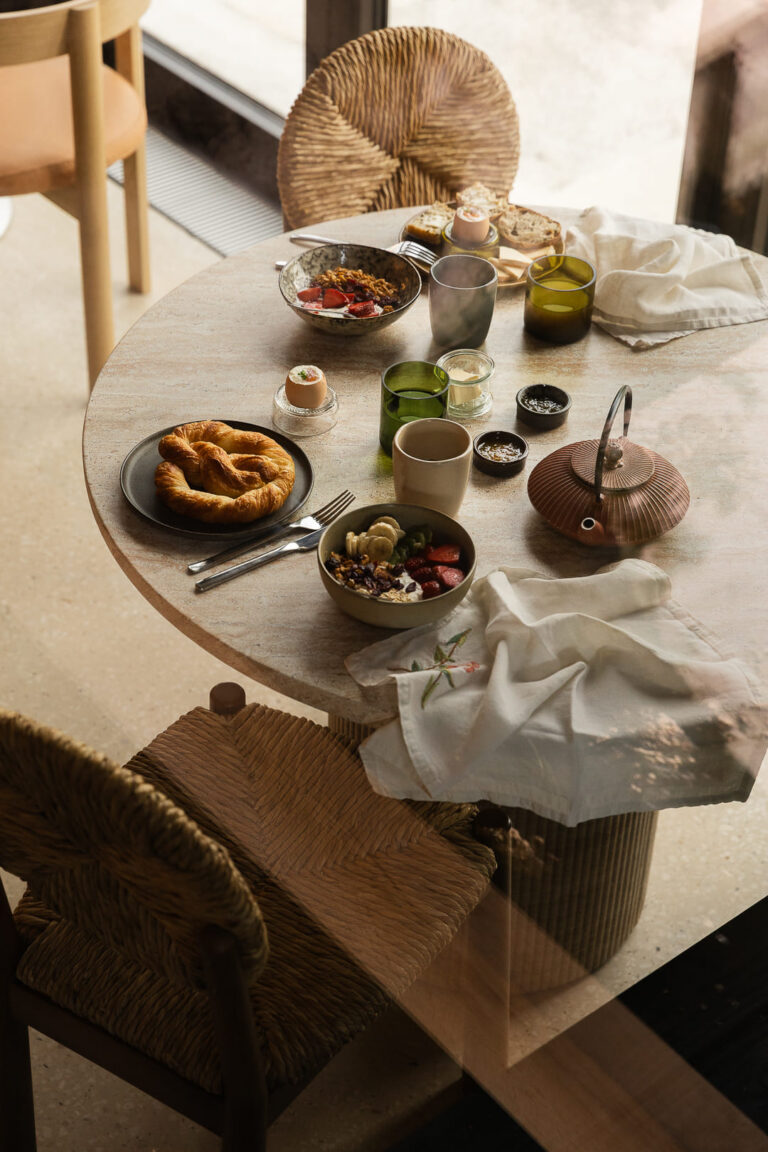
In a small hotel, breakfast is often the moment you remember most. A jug of orange juice squeezed that morning, a jam tart still warm from the oven, cheese from the farm down the road. The choice is smaller, but everything on the table was made or picked by someone who will ask you how you slept.
04
Minibars vs honesty bars
Big hotels have minibars full of global brands.
Boutique hotels have honesty bars with local wine.
The minibar is the same everywhere: the same soda, the same peanuts, the same price list that makes you close the door again.
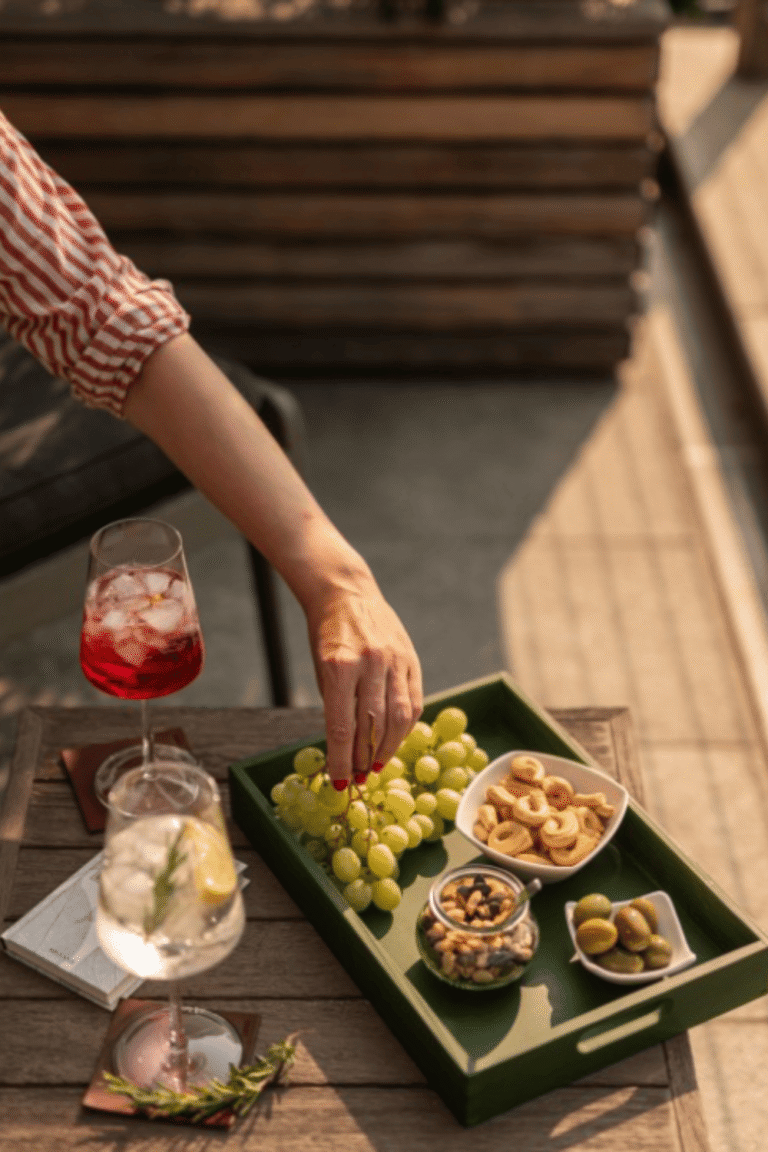
Many boutique hotels trust you instead. The honesty bar might sit in a vaulted stone cellar or on a shelf in the living room, stocked with bottles from winemakers the owners know by name. You pour yourself a glass, write it in the book and settle the bill when you leave. It says a lot about a place: it treats you as a guest, not a room number.
05
Room numbers vs room names
Big hotels have room 418.
Boutique hotels have rooms with names and stories.
Room 418 is on the fourth floor, next to the ice machine. That is all you will ever know about it.
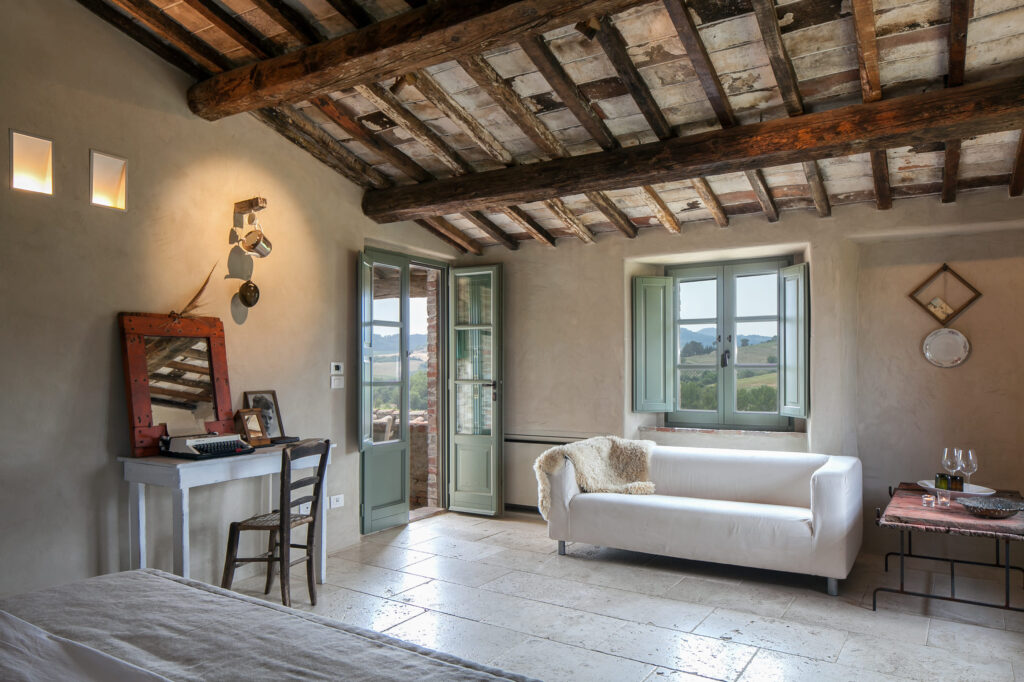
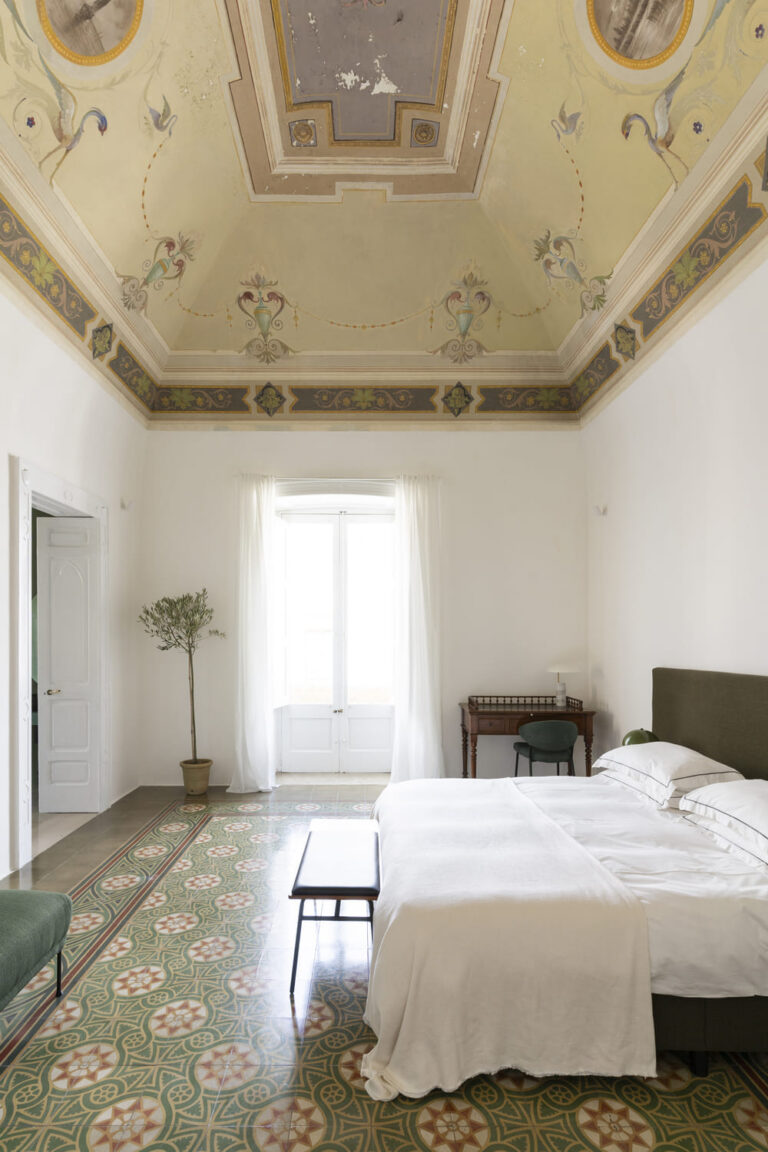
In a boutique hotel, rooms have names, and the names usually have stories: a grandmother, a local wine, a tree in the garden, the painter who once stayed. No two rooms are alike. One has a frescoed ceiling and old cement tiles, another opens onto the courtyard. Some guests come back every year and ask for the same one.
06
Marble bathrooms vs showers that feel like sanctuaries
Big hotels have marble and shiny taps.
Boutique hotels have showers that feel like sanctuaries.
Big hotel bathrooms are designed to impress in a photo: polished marble, chrome everywhere, tiny bottles lined up by the sink.
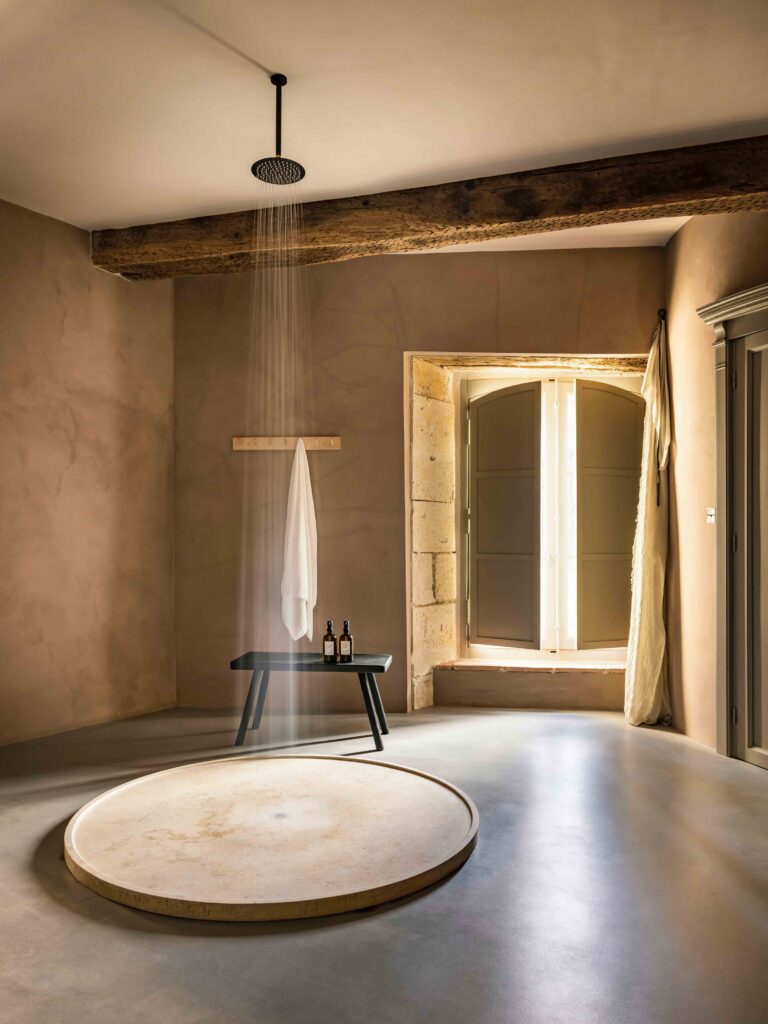
Boutique hotels tend to go for calm. Lime-washed walls, old beams, a stone shower tray and a rain shower falling from the ceiling. Light comes through wooden shutters, and the soap was often made nearby. It is less about luxury and more about slowing down, which is why you came.
07
Laminated menus vs chefs who tell you what's fresh
Big hotels have laminated menus.
Boutique hotels have chefs who tell you what’s fresh today.
A laminated menu with photos of every dish is a sign that the kitchen cooks the same thing all year.
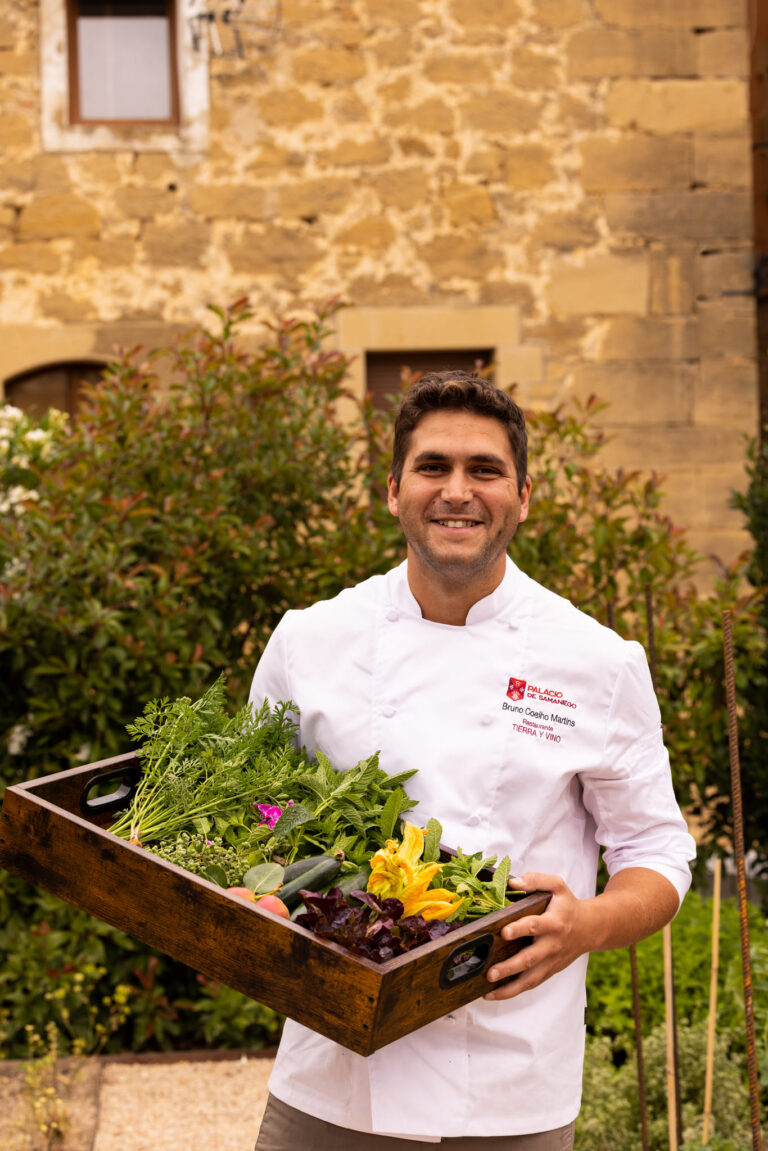
At a boutique hotel, the menu often changes with the garden. The chef walks over with a crate of courgette flowers, herbs and peaches picked that morning, and tells you what they will become tonight. At Palacio de Samaniego, the restaurant Tierra y Vino cooks with what grows outside its stone walls.
“We never wanted it to feel like a standard hotel. We live here all year round and guests are welcomed into our home.”
When a big hotel makes sense
To be fair, big hotels have their place: a one-night business trip near an airport, a wedding that needs forty rooms, a 24-hour gym and spa under one roof, or loyalty points. But if you travel to discover a place, eat what grows there and meet the people who live there, a boutique hotel gives you far more for a similar price.
How to recognize a real boutique hotel
The word “boutique” is not protected. Before you book, check these five signs:
- Size: fewer than 50 rooms, ideally under 20.
- Independence: no chain logo, no loyalty program.
- Owners: you can find their names and their story.
- Food: breakfast is homemade or made with local produce.
- Rooms: each one is described separately, with its own photos.