PROVENCE

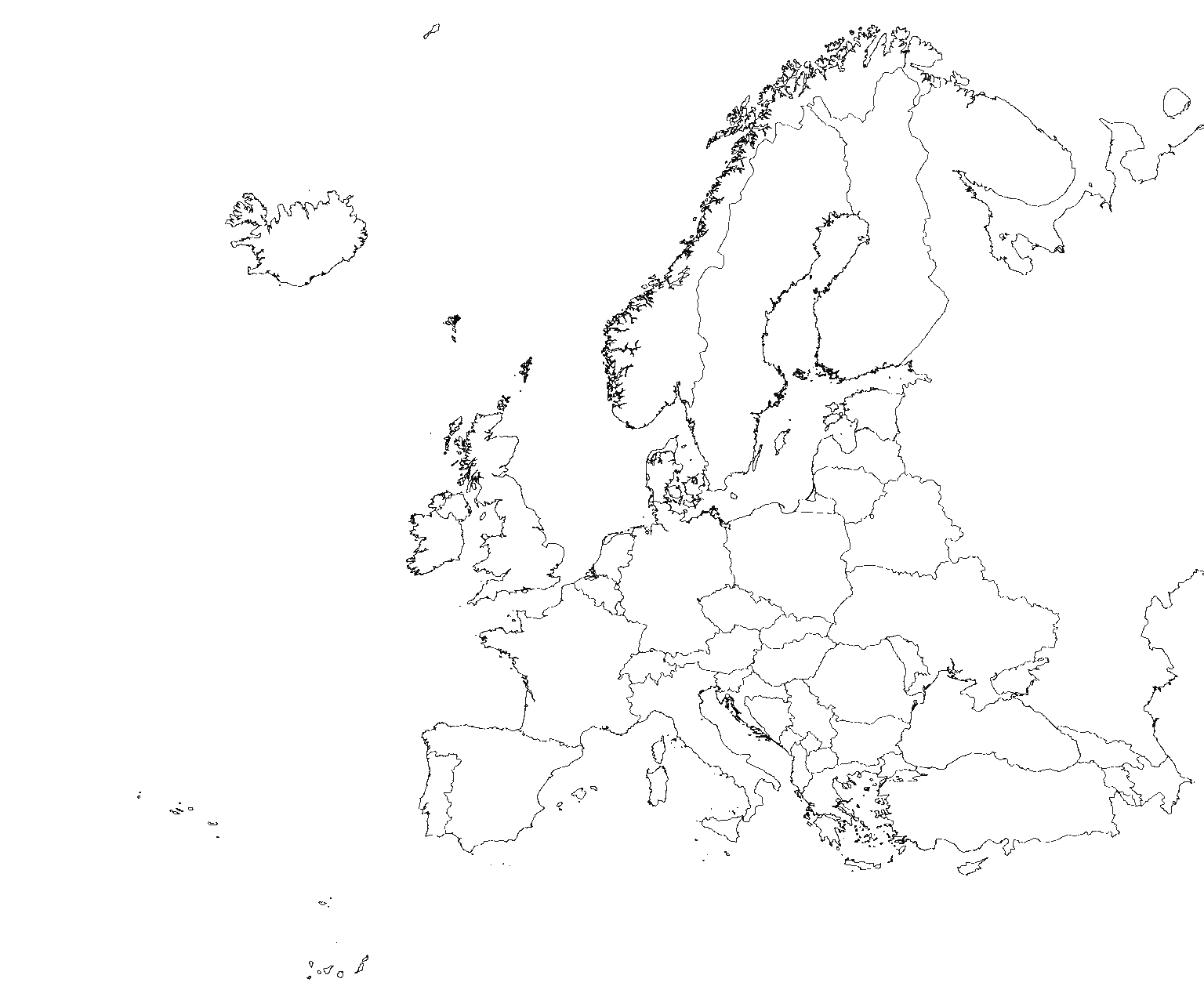
Europe Map

THE STORY

Provence, located in southeastern France, is a region of captivating beauty, rich history, and cultural heritage. Known for its lavender fields, olive groves, and picturesque villages, Provence has inspired artists, writers, and travelers for centuries. The region’s history dates back to ancient times, having been settled by the Greeks and Romans, with many remnants of their influence still visible today. Cities like Avignon, home to the stunning Palais des Papes, and Aix-en-Provence, known for its charming fountains and vibrant markets, tell tales of Provence’s medieval past. The region’s landscapes, from the Calanques National Park to the lavender fields of the Luberon, are nothing short of spectacular, offering a mix of coastal beauty and rolling hills.

EAT & DRINK

Provençal cuisine celebrates fresh, seasonal ingredients, Mediterranean flavors, and hearty, rustic dishes. Try ratatouille, a vegetable medley made with tomatoes, zucchini, eggplant, and bell peppers, or indulge in bouillabaisse, a flavorful fish stew typically served with garlic rouille. Pissaladière, a savory tart topped with onions, anchovies, and olives, is a must-try snack, while tapenade (olive paste) is a popular appetizer. Provence is also renowned for its rosé wine, particularly from regions like Côtes de Provence and Bandol, which pair perfectly with the region’s food. For a sweet finish, enjoy calissons, almond and melon candy from Aix-en-Provence, or indulge in the region’s lavender-infused desserts.


unexpected plans

Provence has hidden gems waiting to be discovered. Explore the Gorges du Verdon, often referred to as the “Grand Canyon of Europe,” for hiking, kayaking, and breathtaking views. Visit the village of Les Baux-de-Provence, perched high on a rocky outcrop and offering panoramic views over the Alpilles. For something unique, explore the Pont du Gard, an ancient Roman aqueduct that spans the Gardon River. Experience the Camargue region, known for its wild white horses, pink flamingos, and salt flats, perfect for a day of wildlife spotting. If you’re in the mood for something truly magical, visit the Lavender Festival in Sault in July, where you can witness fields of purple blooms in full splendor.

PROVENCE'S FIVE SENSES

Sight

Lavender Fields

Sound

Cicadas

Taste

Ratatouille

Touch

Olive Wood

Smell

Rosemary

BEST SEASON

The best time to visit Provence is during spring and autumn, when the weather is mild, and the landscapes are at their most vibrant. Spring offers blooming flowers, including the iconic lavender fields, while autumn brings harvest time and a chance to experience wine festivals and markets. Summer is the high tourist season, with warmer weather ideal for enjoying the coast and outdoor activities, though it can be crowded in major tourist towns. Winter is quieter, ideal for those seeking a peaceful experience and fewer crowds, although it can be cold in the mountains.

HOW TO GET THERE

The main gateway is Marseille-Provence Airport (MRS), which offers flights from major European cities and connections to the United States. Nice Côte d’Azur Airport (NCE) is another major airport that serves the region. The TGV (high-speed train) connects Paris to cities like Avignon, Aix-en-Provence, and Marseille. Once in Provence, renting a car is the best way to explore the picturesque villages, vineyards, and natural landscapes. The road network allows for scenic drives, particularly through the Luberon and Alpilles regions.

HANDPICKED STAYS

Cabris - France

Aureille - France

Visan - France

Saint-Paul de Vence - France

Méthamis - France

Gordes - France