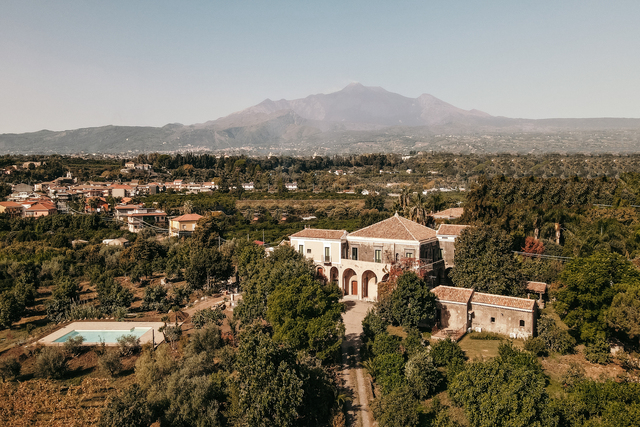
Sicilia, the largest Mediterranean island, weaves a narrative of ancient civilizations with layers of Phoenician, Greek, Roman, and Arab influences. Palermo, the capital, bears the marks of Norman and Moorish rule, while the Valley of the Temples in Agrigento reflects the grandeur of ancient Greek architecture. From the vibrant markets to the quiet villages, Sicilia is a living testament to the confluence of cultures, where every stone narrates a chapter of history.
Sicilian cuisine is a tantalizing fusion of flavors. Indulge in arancini, golden rice balls filled with ragù and peas, and savor caponata, a delectable eggplant dish. Explore the seafood delights of the Strait of Messina, from swordfish to marinated anchovies. Conclude your culinary journey with cannoli, sweet ricotta-filled pastries, and sip on Marsala wine, a fortified wine with a rich history in the region.
Etna Vulcano
Bergamotto
Arancini
Tarantella
Pumici
Sicilia’s allure spans every season. Spring paints the landscapes with wildflowers and provides pleasant weather for sightseeing. Summer invites beachgoers to the pristine shores, while fall offers milder temperatures for exploring historic sites. Winter brings a quiet charm, making it an ideal time for culinary experiences and cultural immersion.
Fly into Palermo or Catania, the main airports in Sicilia, with connections to major European cities. Renting a car offers flexibility to venture into the countryside and coastal areas. Ferries operate between Sicily and the Italian mainland, providing a scenic journey across the Tyrrhenian and Ionian Seas.