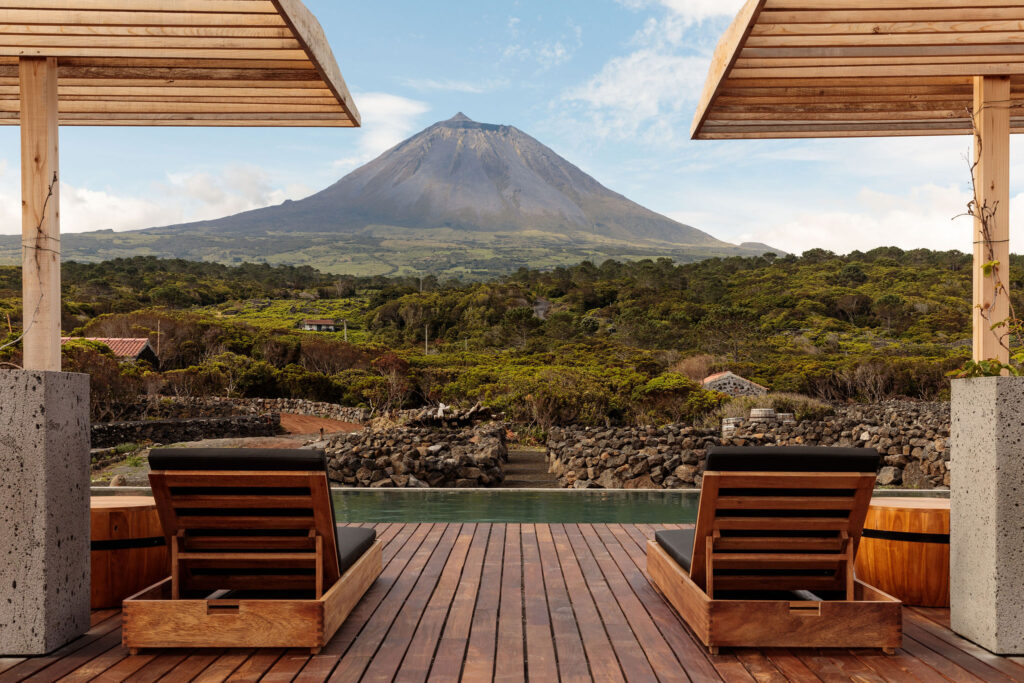
Parco dei Sesi sits on the western side of Pantelleria, along the island’s coastal road, close to the archaeological area that gives the property its name. The sea is nearby, the land is dark and dry, and the horizon feels wider than in most Mediterranean places. On clear days, you are looking towards Africa.
Pantelleria is not a soft island. It is volcanic, windy, remote and completely singular. There are no long sandy beaches to organise the day around. People swim from rocks, walk down to coves, bathe in thermal pools, drive through lava-stone terraces and learn very quickly that plans depend on the wind.
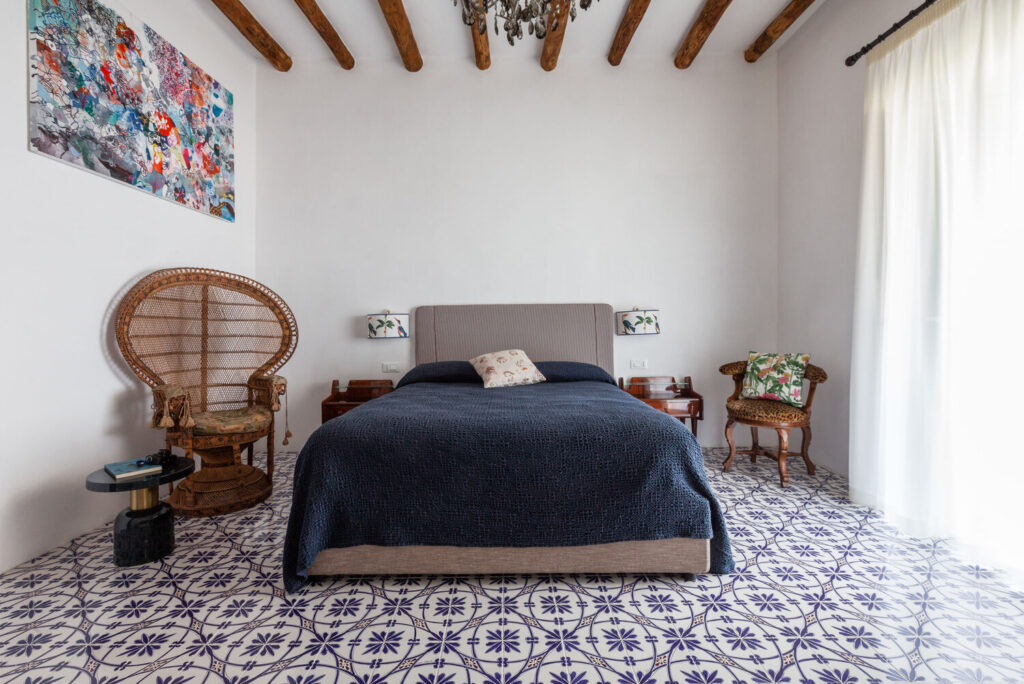
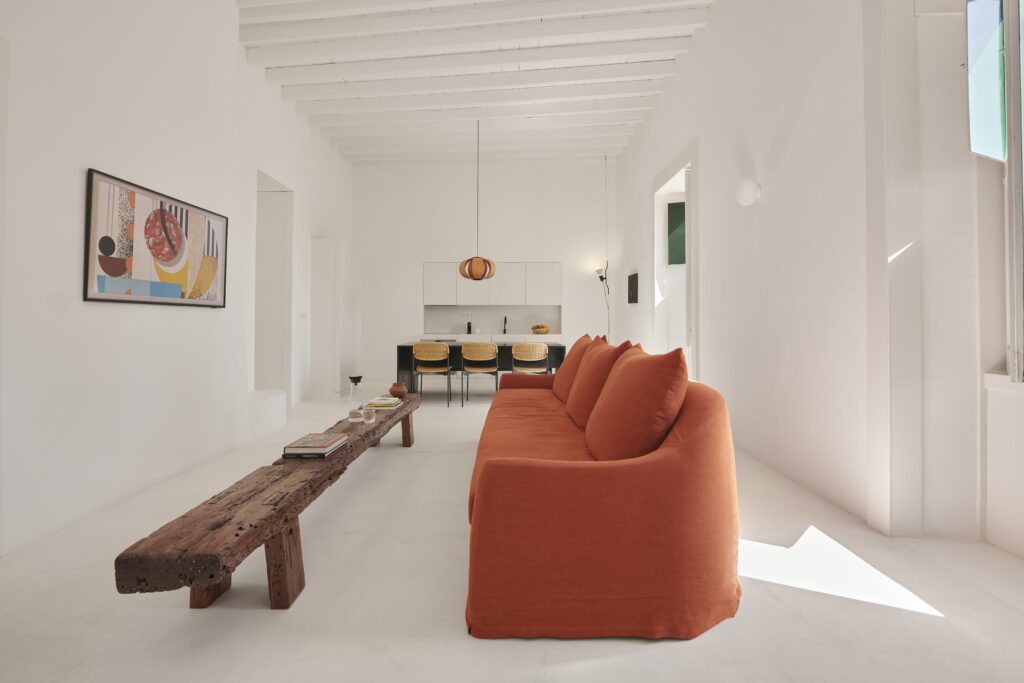
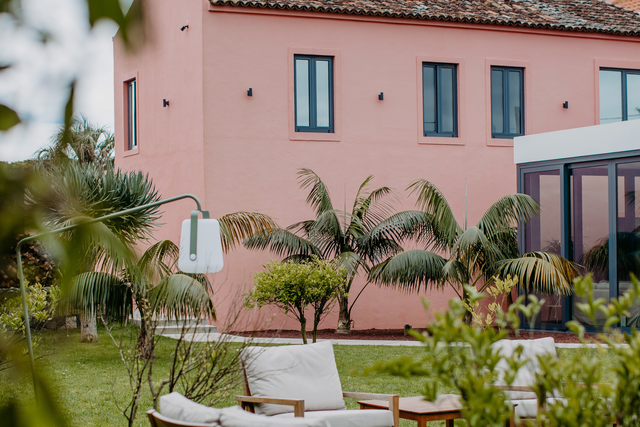
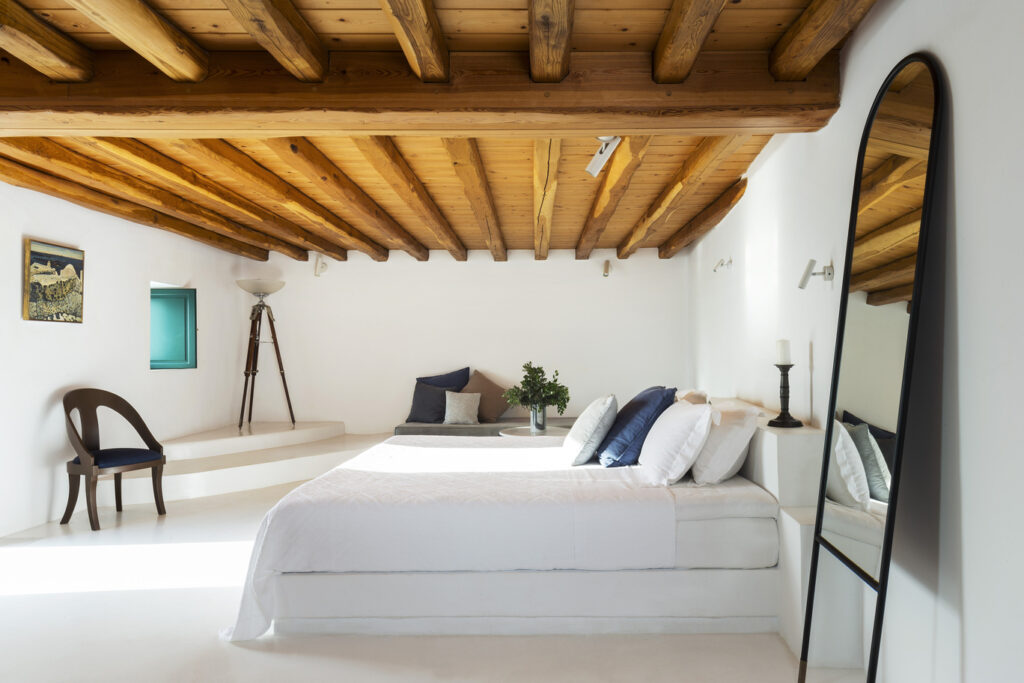
The property is built around dammusi, the traditional Pantelleria houses made of volcanic stone, with thick walls, domed roofs, and sheltered outdoor areas designed for heat, wind, and scarce water. Parco dei Sesi brings that architecture into a more contemporary world: low stone volumes, raw textures, art pieces, old objects, open terraces, pale fabrics, cactus, palms, capers and sea light.
The archaeological setting adds another layer. The Sesi were prehistoric funerary monuments built from large stones, connected to one of the island’s earliest known civilisations. Staying here means sleeping inside a landscape where Pantelleria’s deep past is not tucked away in a museum. It is around the property, in the fields, in the stones, in the name itself.