destination

LISBON

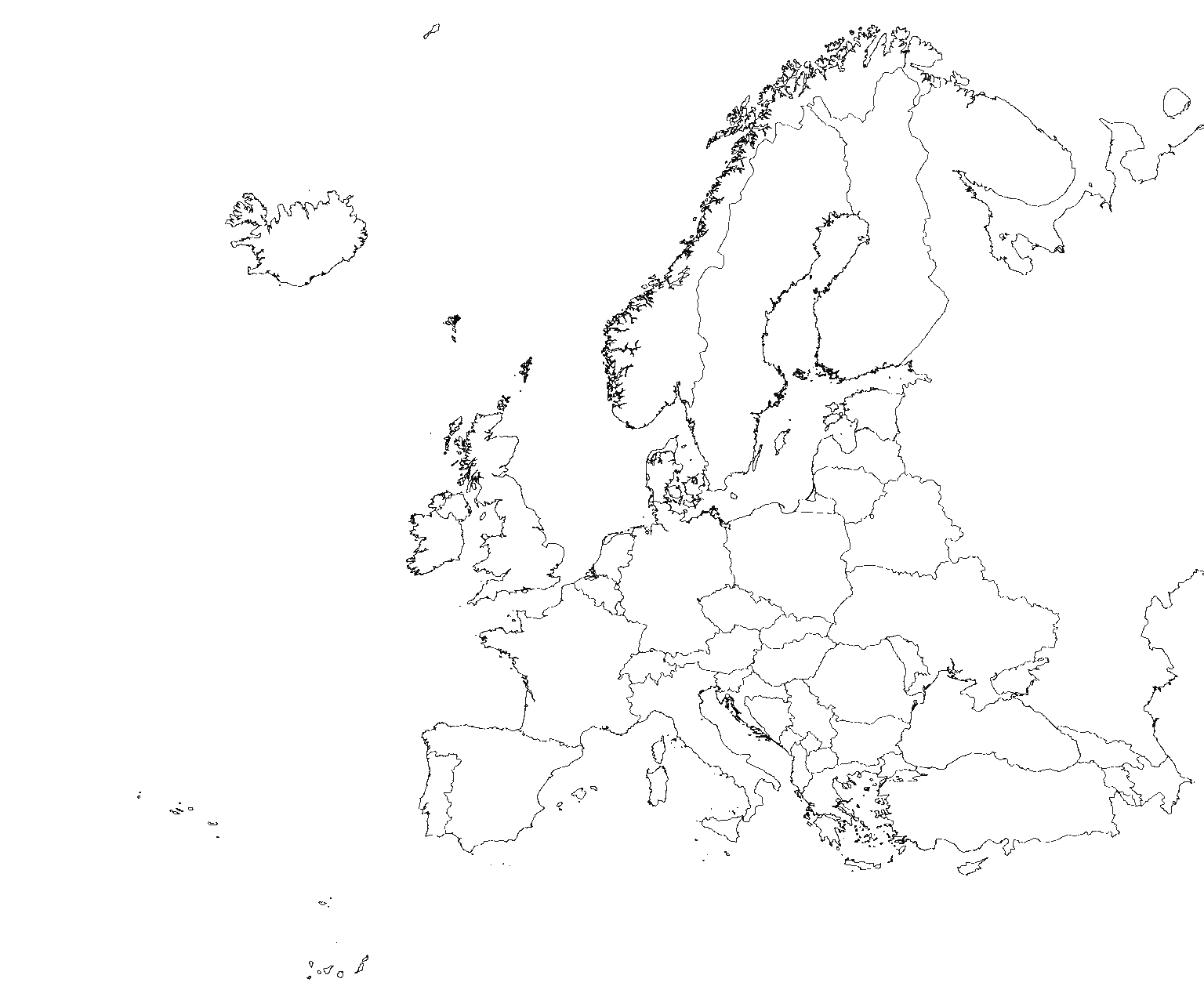
Outline map of Europe and surrounding regions with thin black coastlines on a white background.

THE STORY

Lisbon, Portugal’s sunlit capital, spills across seven hills where the Tagus River meets the Atlantic. One of the oldest cities in Western Europe, it was shaped by Phoenicians, Romans and Moors before becoming the launch point of Portugal’s great voyages of discovery.
 
Rebuilt with elegant grid streets after the 1755 earthquake, the city today blends pastel facades, tiled walls and creaking yellow trams with a young creative scene. Beyond the capital, the Lisboa region stretches to the romantic hills of Sintra, the seaside charm of Cascais and the wild beaches of the Arrábida coast.


EAT & DRINK

Lisbon’s cuisine is honest, generous and deeply tied to the sea. Share a plate of amêijoas à Bulhão Pato (clams with garlic, olive oil and coriander) or bacalhau à Brás, the city’s favourite way of cooking salt cod. Grab a bifana (marinated pork sandwich) at a counter, and don’t leave without a warm pastel de nata, dusted with cinnamon.
 
Explore the tascas of Alfama and Mouraria for home cooking at simple prices. Pair it all with rare Colares wines grown in the sand near Sintra, a crisp Arinto from Bucelas, or a small glass of ginjinha (sour cherry liqueur) sipped standing in the street.

unexpected plans

Beyond the famous viewpoints, Lisbon hides quieter surprises. Take the ferry across the Tagus to Cacilhas for fish lunch by the water and the best view back at the city. Wander the gardens of Palácio Fronteira, lined with some of the country’s finest 17th-century azulejos.
 
In the Sintra hills, visit the Convento dos Capuchos, a tiny cork-lined monastery hidden in the forest. Drive to Azenhas do Mar, a white village clinging to the cliffs above a natural sea pool, or head south to the Arrábida Natural Park for turquoise coves framed by green limestone mountains.

LISBON'S FIVE SENSES

Sight

Sight

Miradouros

Smell

Smell

Grilled Sardines

Taste

Taste

Pastel de Nata

Sound

Sound

Fado

Touch

Touch

Ceramic Tiles

BEST SEASON

Lisbon is a year-round city, with one of the mildest climates in Europe. Spring brings soft light, blooming jacarandas and pleasant temperatures for walking the hills. June is festival month, when the Santos Populares fill the old neighbourhoods with music, street parties and the smell of grilled sardines. Summer is hot and lively, with the beaches of Cascais, Costa da Caparica and Arrábida close by. Early autumn is perhaps the sweetest moment, warm and calmer, while winter offers mild days, fewer visitors and cosy evenings in fado houses.

HOW TO GET THERE

Lisbon is easily reached by air, train and car. Humberto Delgado Airport (LIS) is only a few kilometres from the centre, with direct flights from most European cities, and is connected to downtown by metro in about 20 minutes. From Porto, the Alfa Pendular high-speed train reaches Lisbon in around three hours, arriving at Santa Apolónia or Oriente station. Coming from Spain, the city is a comfortable drive via the A6 motorway. Once there, local trains run along the coast to Cascais and up to Sintra, while a car is best to explore Arrábida and the wilder coastline.

WHERE TO STAY

Lisbon - Portugal